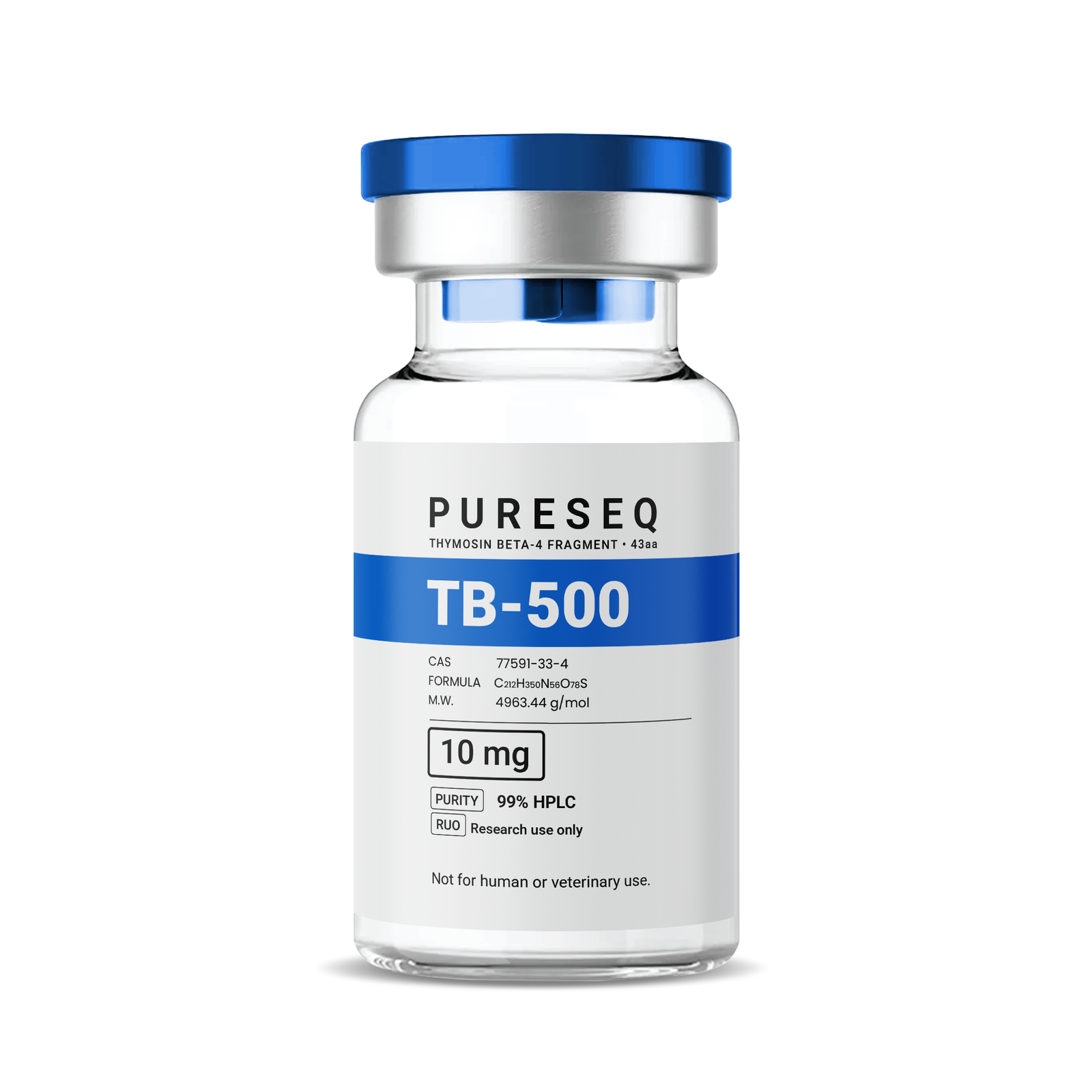
NAD+ 500mg

Body Protective Compound 10mg 

FOR RESEARCH USE ONLY 

NAD+ (Nicotinamide Adenine Dinucleotide) is a coenzyme present in all living cells and central to energy metabolism, DNA repair, and cellular signalling. Extensively studied for its role in longevity pathways, mitochondrial function, and agerelated metabolic decline.

Quantity
Price
<1
 44.90
1 - 2
 44.90 / vial
3 - 4
 40.41 / vial
5 - 9
 38.16 / vial
10+
 35.92 / vial
× NAD+ 500mg
Category:

>98%

Purity HPLC

COA

Every batch

EU

Fulfilment

Discreet

Shipping

>98%

Purity HPLC

COA

Every batch

EU

Fulfilment

Discreet

Shipping

Overview

NAD+ functions as an essential cofactor in hundreds of enzymatic reactions, most critically in the mitochondrial electron transport chain where it drives ATP synthesis. Its role extends beyond energy metabolism to include activation of sirtuins — a family of longevity-associated proteins — and PARP enzymes involved in DNA repair.

NAD+ levels decline significantly with age, a finding consistently associated with reduced mitochondrial function, increased oxidative stress, and impaired cellular repair capacity. Research into NAD+ precursors and direct supplementation has grown substantially over the past decade, driven by preclinical data demonstrating reversal of age-related metabolic decline in animal models.

Research has also documented NAD+’s role in circadian rhythm regulation, neurological function, and immune modulation, positioning it as one of the most broadly relevant compounds in longevity and metabolic research.

Key research areas include:
– Mitochondrial function and ATP synthesis
– Sirtuin activation and longevity pathways
– DNA repair via PARP activation
– Age-related metabolic decline
– Neurological function and neuroprotection
– Circadian rhythm regulation

RESEARCH & MECHANISM
    1. Mitochondrial Function
      NAD+ is a critical electron carrier in the mitochondrial electron transport chain. Declining NAD+ levels are directly associated with reduced mitochondrial efficiency and increased production of reactive oxygen species in ageing tissue models.
    2. Sirtuin Activation
      NAD+ is an obligate substrate for sirtuin enzymes (SIRT1-7), which regulate gene expression, stress response, and metabolic adaptation. Preclinical studies have demonstrated that restoring NAD+ levels reactivates sirtuin-dependent longevity pathways.
    3. DNA Repair
      PARP enzymes, which consume NAD+ in the process of repairing DNA strand breaks, are critical for genomic stability. Research has documented that NAD+ availability is a rate-limiting factor in DNA repair efficiency, particularly under conditions of oxidative stress.
    4. Age-Related Metabolic Decline
      Animal studies have demonstrated that NAD+ restoration reverses multiple hallmarks of metabolic ageing, including mitochondrial dysfunction, reduced insulin sensitivity, and impaired muscle function, even when administered in aged subjects.
    5. Neurological Function
      Research has documented NAD+’s role in neuronal energy metabolism and its neuroprotective effects against excitotoxicity and oxidative damage, with implications for neurodegenerative disease models.

    Key References:
    – Yoshino J et al. NAD+ intermediates: the biology and therapeutic potential. Cell Metab. 2018.
    – Verdin E. NAD+ in aging, metabolism, and neurodegeneration. Science. 2015.
    – Rajman L et al. Therapeutic potential of NAD-boosting molecules. Cell Metab. 2018.

SPECIFICATIONS
ParameterDetail
PeptideNAD+ (Nicotinamide Adenine Dinucleotide)
  
Molecular Weight663.43 g/mol
CAS Number53-84-9
AppearanceWhite lyophilised powder
Purity>99% (HPLC)
Vial Size50mg
Storage-20°C, protect from light and moisture
ReconstitutionBacteriostatic water or sterile saline
Shelf Life24 months (lyophilised) / 30 days (reconstituted, refrigerated)
FormatLyophilised powder, single-use research vial


DISCLAIMER

For research purposes only. Not for human or veterinary use.

>98%

Purity HPLC

COA

Every batch

EU

Fulfilment

Discreet

Shipping

>98%

Purity HPLC

COA

Every batch

EU

Fulfilment

Discreet

Shipping

Overview

NAD+ functions as an essential cofactor in hundreds of enzymatic reactions, most critically in the mitochondrial electron transport chain where it drives ATP synthesis. Its role extends beyond energy metabolism to include activation of sirtuins — a family of longevity-associated proteins — and PARP enzymes involved in DNA repair.

NAD+ levels decline significantly with age, a finding consistently associated with reduced mitochondrial function, increased oxidative stress, and impaired cellular repair capacity. Research into NAD+ precursors and direct supplementation has grown substantially over the past decade, driven by preclinical data demonstrating reversal of age-related metabolic decline in animal models.

Research has also documented NAD+’s role in circadian rhythm regulation, neurological function, and immune modulation, positioning it as one of the most broadly relevant compounds in longevity and metabolic research.

Key research areas include:
– Mitochondrial function and ATP synthesis
– Sirtuin activation and longevity pathways
– DNA repair via PARP activation
– Age-related metabolic decline
– Neurological function and neuroprotection
– Circadian rhythm regulation

RESEARCH & MECHANISM
    1. Mitochondrial Function
      NAD+ is a critical electron carrier in the mitochondrial electron transport chain. Declining NAD+ levels are directly associated with reduced mitochondrial efficiency and increased production of reactive oxygen species in ageing tissue models.
    2. Sirtuin Activation
      NAD+ is an obligate substrate for sirtuin enzymes (SIRT1-7), which regulate gene expression, stress response, and metabolic adaptation. Preclinical studies have demonstrated that restoring NAD+ levels reactivates sirtuin-dependent longevity pathways.
    3. DNA Repair
      PARP enzymes, which consume NAD+ in the process of repairing DNA strand breaks, are critical for genomic stability. Research has documented that NAD+ availability is a rate-limiting factor in DNA repair efficiency, particularly under conditions of oxidative stress.
    4. Age-Related Metabolic Decline
      Animal studies have demonstrated that NAD+ restoration reverses multiple hallmarks of metabolic ageing, including mitochondrial dysfunction, reduced insulin sensitivity, and impaired muscle function, even when administered in aged subjects.
    5. Neurological Function
      Research has documented NAD+’s role in neuronal energy metabolism and its neuroprotective effects against excitotoxicity and oxidative damage, with implications for neurodegenerative disease models.

    Key References:
    – Yoshino J et al. NAD+ intermediates: the biology and therapeutic potential. Cell Metab. 2018.
    – Verdin E. NAD+ in aging, metabolism, and neurodegeneration. Science. 2015.
    – Rajman L et al. Therapeutic potential of NAD-boosting molecules. Cell Metab. 2018.

SPECIFICATIONS
ParameterDetail
PeptideNAD+ (Nicotinamide Adenine Dinucleotide)
  
Molecular Weight663.43 g/mol
CAS Number53-84-9
AppearanceWhite lyophilised powder
Purity>99% (HPLC)
Vial Size50mg
Storage-20°C, protect from light and moisture
ReconstitutionBacteriostatic water or sterile saline
Shelf Life24 months (lyophilised) / 30 days (reconstituted, refrigerated)
FormatLyophilised powder, single-use research vial


DISCLAIMER

For research purposes only. Not for human or veterinary use.

>98%

Purity HPLC

COA

Every batch

EU

Fulfilment

Discreet

Shipping

>98%

Purity HPLC

COA

Every batch

EU

Fulfilment

Discreet

Shipping

Overview

NAD+ functions as an essential cofactor in hundreds of enzymatic reactions, most critically in the mitochondrial electron transport chain where it drives ATP synthesis. Its role extends beyond energy metabolism to include activation of sirtuins — a family of longevity-associated proteins — and PARP enzymes involved in DNA repair.

NAD+ levels decline significantly with age, a finding consistently associated with reduced mitochondrial function, increased oxidative stress, and impaired cellular repair capacity. Research into NAD+ precursors and direct supplementation has grown substantially over the past decade, driven by preclinical data demonstrating reversal of age-related metabolic decline in animal models.

Research has also documented NAD+’s role in circadian rhythm regulation, neurological function, and immune modulation, positioning it as one of the most broadly relevant compounds in longevity and metabolic research.

Key research areas include:
– Mitochondrial function and ATP synthesis
– Sirtuin activation and longevity pathways
– DNA repair via PARP activation
– Age-related metabolic decline
– Neurological function and neuroprotection
– Circadian rhythm regulation

RESEARCH & MECHANISM
    1. Mitochondrial Function
      NAD+ is a critical electron carrier in the mitochondrial electron transport chain. Declining NAD+ levels are directly associated with reduced mitochondrial efficiency and increased production of reactive oxygen species in ageing tissue models.
    2. Sirtuin Activation
      NAD+ is an obligate substrate for sirtuin enzymes (SIRT1-7), which regulate gene expression, stress response, and metabolic adaptation. Preclinical studies have demonstrated that restoring NAD+ levels reactivates sirtuin-dependent longevity pathways.
    3. DNA Repair
      PARP enzymes, which consume NAD+ in the process of repairing DNA strand breaks, are critical for genomic stability. Research has documented that NAD+ availability is a rate-limiting factor in DNA repair efficiency, particularly under conditions of oxidative stress.
    4. Age-Related Metabolic Decline
      Animal studies have demonstrated that NAD+ restoration reverses multiple hallmarks of metabolic ageing, including mitochondrial dysfunction, reduced insulin sensitivity, and impaired muscle function, even when administered in aged subjects.
    5. Neurological Function
      Research has documented NAD+’s role in neuronal energy metabolism and its neuroprotective effects against excitotoxicity and oxidative damage, with implications for neurodegenerative disease models.

    Key References:
    – Yoshino J et al. NAD+ intermediates: the biology and therapeutic potential. Cell Metab. 2018.
    – Verdin E. NAD+ in aging, metabolism, and neurodegeneration. Science. 2015.
    – Rajman L et al. Therapeutic potential of NAD-boosting molecules. Cell Metab. 2018.

SPECIFICATIONS
ParameterDetail
PeptideNAD+ (Nicotinamide Adenine Dinucleotide)
  
Molecular Weight663.43 g/mol
CAS Number53-84-9
AppearanceWhite lyophilised powder
Purity>99% (HPLC)
Vial Size50mg
Storage-20°C, protect from light and moisture
ReconstitutionBacteriostatic water or sterile saline
Shelf Life24 months (lyophilised) / 30 days (reconstituted, refrigerated)
FormatLyophilised powder, single-use research vial


DISCLAIMER

For research purposes only. Not for human or veterinary use.

>98%

Purity HPLC

COA

Every batch

EU

Fulfilment

Discreet

Shipping

>98%

Purity HPLC

COA

Every batch

EU

Fulfilment

Discreet

Shipping

Overview

NAD+ functions as an essential cofactor in hundreds of enzymatic reactions, most critically in the mitochondrial electron transport chain where it drives ATP synthesis. Its role extends beyond energy metabolism to include activation of sirtuins — a family of longevity-associated proteins — and PARP enzymes involved in DNA repair.

NAD+ levels decline significantly with age, a finding consistently associated with reduced mitochondrial function, increased oxidative stress, and impaired cellular repair capacity. Research into NAD+ precursors and direct supplementation has grown substantially over the past decade, driven by preclinical data demonstrating reversal of age-related metabolic decline in animal models.

Research has also documented NAD+’s role in circadian rhythm regulation, neurological function, and immune modulation, positioning it as one of the most broadly relevant compounds in longevity and metabolic research.

Key research areas include:
– Mitochondrial function and ATP synthesis
– Sirtuin activation and longevity pathways
– DNA repair via PARP activation
– Age-related metabolic decline
– Neurological function and neuroprotection
– Circadian rhythm regulation

RESEARCH & MECHANISM
    1. Mitochondrial Function
      NAD+ is a critical electron carrier in the mitochondrial electron transport chain. Declining NAD+ levels are directly associated with reduced mitochondrial efficiency and increased production of reactive oxygen species in ageing tissue models.
    2. Sirtuin Activation
      NAD+ is an obligate substrate for sirtuin enzymes (SIRT1-7), which regulate gene expression, stress response, and metabolic adaptation. Preclinical studies have demonstrated that restoring NAD+ levels reactivates sirtuin-dependent longevity pathways.
    3. DNA Repair
      PARP enzymes, which consume NAD+ in the process of repairing DNA strand breaks, are critical for genomic stability. Research has documented that NAD+ availability is a rate-limiting factor in DNA repair efficiency, particularly under conditions of oxidative stress.
    4. Age-Related Metabolic Decline
      Animal studies have demonstrated that NAD+ restoration reverses multiple hallmarks of metabolic ageing, including mitochondrial dysfunction, reduced insulin sensitivity, and impaired muscle function, even when administered in aged subjects.
    5. Neurological Function
      Research has documented NAD+’s role in neuronal energy metabolism and its neuroprotective effects against excitotoxicity and oxidative damage, with implications for neurodegenerative disease models.

    Key References:
    – Yoshino J et al. NAD+ intermediates: the biology and therapeutic potential. Cell Metab. 2018.
    – Verdin E. NAD+ in aging, metabolism, and neurodegeneration. Science. 2015.
    – Rajman L et al. Therapeutic potential of NAD-boosting molecules. Cell Metab. 2018.

SPECIFICATIONS
ParameterDetail
PeptideNAD+ (Nicotinamide Adenine Dinucleotide)
  
Molecular Weight663.43 g/mol
CAS Number53-84-9
AppearanceWhite lyophilised powder
Purity>99% (HPLC)
Vial Size50mg
Storage-20°C, protect from light and moisture
ReconstitutionBacteriostatic water or sterile saline
Shelf Life24 months (lyophilised) / 30 days (reconstituted, refrigerated)
FormatLyophilised powder, single-use research vial


DISCLAIMER

For research purposes only. Not for human or veterinary use.
Weight

Reviews

There are no reviews yet.

Be the first to review “NAD+ 500mg”

Your email address will not be published. Required fields are marked *

NAD+ 500mgNAD+ 500mg
 44.90
Quantity
Price
<1
 44.90
1 - 2
 44.90 / vial
3 - 4
 40.41 / vial
5 - 9
 38.16 / vial
10+
 35.92 / vial
× NAD+ 500mg
Scroll to Top